
Using Reclaimed Wood In Your Home
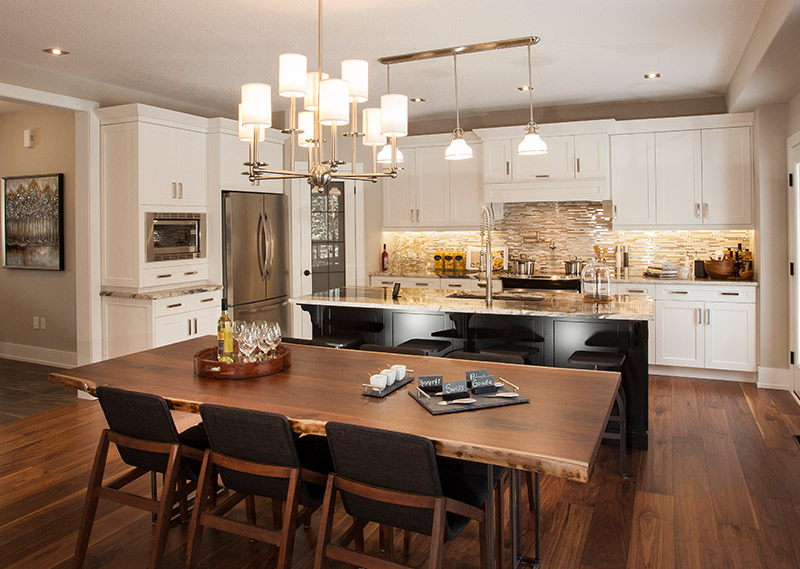
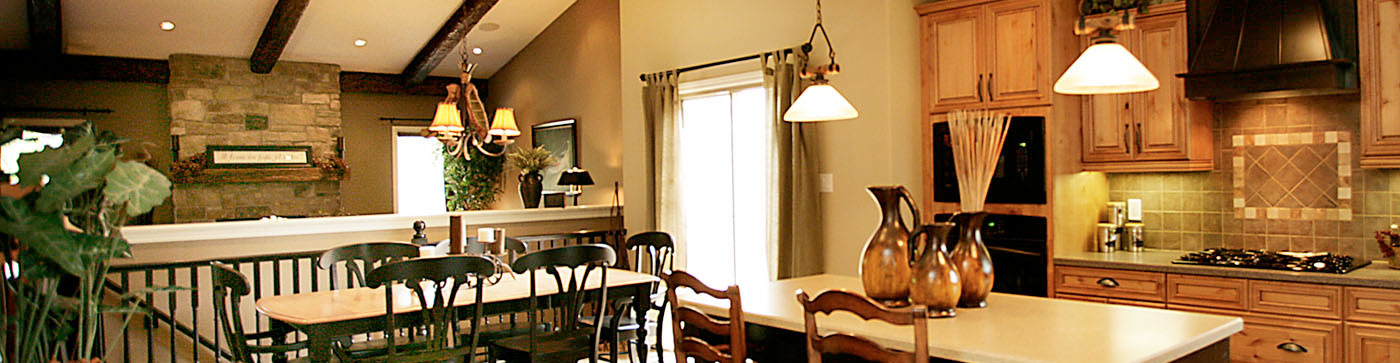
Creating a visual element in any room of your home using reclaimed wood will add interest and enhance your room’s aesthetic. Easily utilized in any number of decorative style, reclaimed wood is especially popular when using rustic, eclectic, coastal, and western design schemes. Reclaimed wood is lumber  that is reutilized in another application. Typically this lumber is taken from decks and barns that are being torn down, but has been known to be taken from wine barrels, boxcars, and stumps.
Reclaimed wood has grown in popularity in recent years because utilizing helps to eliminate natural waste, saves energy, and reduces the cutting of new wood for home decoration purposes. Another added bonus of reclaimed wood: it can be stronger-- up to 40 points harder on the Janka scale-- and more durable than new wood because it comes from old growth forests instead of first-generation forests. Using reclaimed wood also gives you the opportunity to use exotic woods that, based on current sustainability, is not available.
Dependent on whether or not you’re purchasing reclaimed wood from a supplier or if you’re sourcing it yourself, the price of reclaimed wood may be as, if not more, expensive than new wood. We know that sounds a little wacky, but when you’re purchasing reclaimed wood from a supplier there are a lot of other steps that go into making the wood purchase-ready: dismantling, nail removal, and wood treatment can be a labour-intensive process that is reflected in the price. If you’re purchasing reclaimed wood from a supplier, we recommend checking for certification from the Forest Stewardship Council, which governs the legitimate selling and sourcing of wood and reclaimed wood.
While we all can’t get out hands on reclaimed wood-- don’t worry there are other ways to get the same look!-- there are steps that need to be taken when you’re lucky enough to get the real deal that isn’t coming to you direct from a supplier. If you’re sourcing your own reclaimed wood there are a few things you need to keep in mind before using it in your home.
 Type of Wood:
Certain types of wood are softer than others: Balsam Poplar, European Silver Fir, and some Cedars for example. Keep this in mind when choosing your reclaimed wood: certain species of wood may not be strong enough to withstand the project you’re intending to use it.
Toxins:
Depending on when and where your reclaimed wood is from, you must bear in mind the changes to the treating and painting ingredient standards. Certain pieces of wood may have been treated or painted with products prior to our modern standards and could contain insecticides, lead, preservatives, or adhesives. We always recommend getting your wood tested for toxins before introducing it to your home.
Pests:
Reclaimed wood should be checked thoroughly for insects and other pests. Ensure that you know where your wood has come from and do a check into the type of insects and pests native to the area: the last thing you want to do is introduce an invader into your home. We would suggest only bringing wood into your home once it’s been kiln-dried to ensure there are no insects or microbes that can cause you illness or damage your home.
Hidden Dangers:
 When you’re repurposing wood from another application be weary of any nails, screws, or organic matter. Until you have treated and cleaned the wood properly, use gloves while handling it to help ensure your safety.
Doing It Yourself
If you opt to clean and sanitize your reclaimed wood on your own, do your research and follow these basic steps:
- Quickly wash your stored wood, while still outside, and let it completely dry before bringing it indoors.
-
While wearing gloves, sand your reclaimed wood to create a smooth, sliver-free surface. This will also make later cleaning easier because there are no rough places for dust to collect.
-
Scrub wood with hot and soapy water all leave to dry completely.
-
Steam your wood on all sides to give it a real, deep clean. The steps we’ve taken to this point will clean, but not sanitize your wood. Allow wood to dry completely before using.
As long as you take all the necessary precautions to ensure that the reclaimed wood you bring into your home is safe, clean, and well sourced, there are endless possibilities to the ways you can bring your home to life with beautiful and eco-friendly reclaimed wood. Every piece of reclaimed wood comes with a history and a story: giving it new life in your home will bring its story with it and add to the beauty and detail of your home.